
Why DIY Pool Deck Resurfacing Matters
Your pool deck is more than just a frame for your swimming pool—it’s a vital part of your outdoor space that impacts safety, comfort, and curb appeal. Over time, weather, water, and foot traffic wear down concrete surfaces, leading to cracks, discoloration, and fading finishes. While professional resurfacing services offer excellent results, many homeowners are exploring DIY pool deck resurfacing as a cost-effective and rewarding alternative.
Whether you’re motivated by budget constraints, creativity, or a hands-on approach to home improvement, DIY concrete pool deck resurfacing options have never been more accessible. From pebble overlays to epoxy finishes, there’s a solution for every skill level and aesthetic preference.
In this guide, we’ll explore the best pool deck resurfacing options, discuss necessary tools and materials, provide step-by-step guidance, compare popular techniques, and offer local tips relevant to homeowners in South Georgia and North Florida. Let’s dive into the world of pool deck resurfacing DIY projects that can completely transform your backyard experience.
Top DIY Pool Deck Resurfacing Options
Before you start your project, it’s crucial to understand your resurfacing choices. Here are some of the most popular DIY concrete pool deck resurfacing options:
-
Epoxy Coatings: This popular method involves applying a resin-based surface that’s durable, water-resistant, and available in many colors. Ideal for smooth finishes and modern aesthetics.
-
Pebble Finishes: A favorite for tropical or natural designs, pool deck resurfacing pebble kits create a textured surface using decorative stone and a binding agent. These provide slip resistance and a high-end look.
-
Concrete Overlays: Thin layers of polymer-modified concrete are applied over existing surfaces to cover imperfections and add color or texture. They’re ideal for worn or cracked concrete.
-
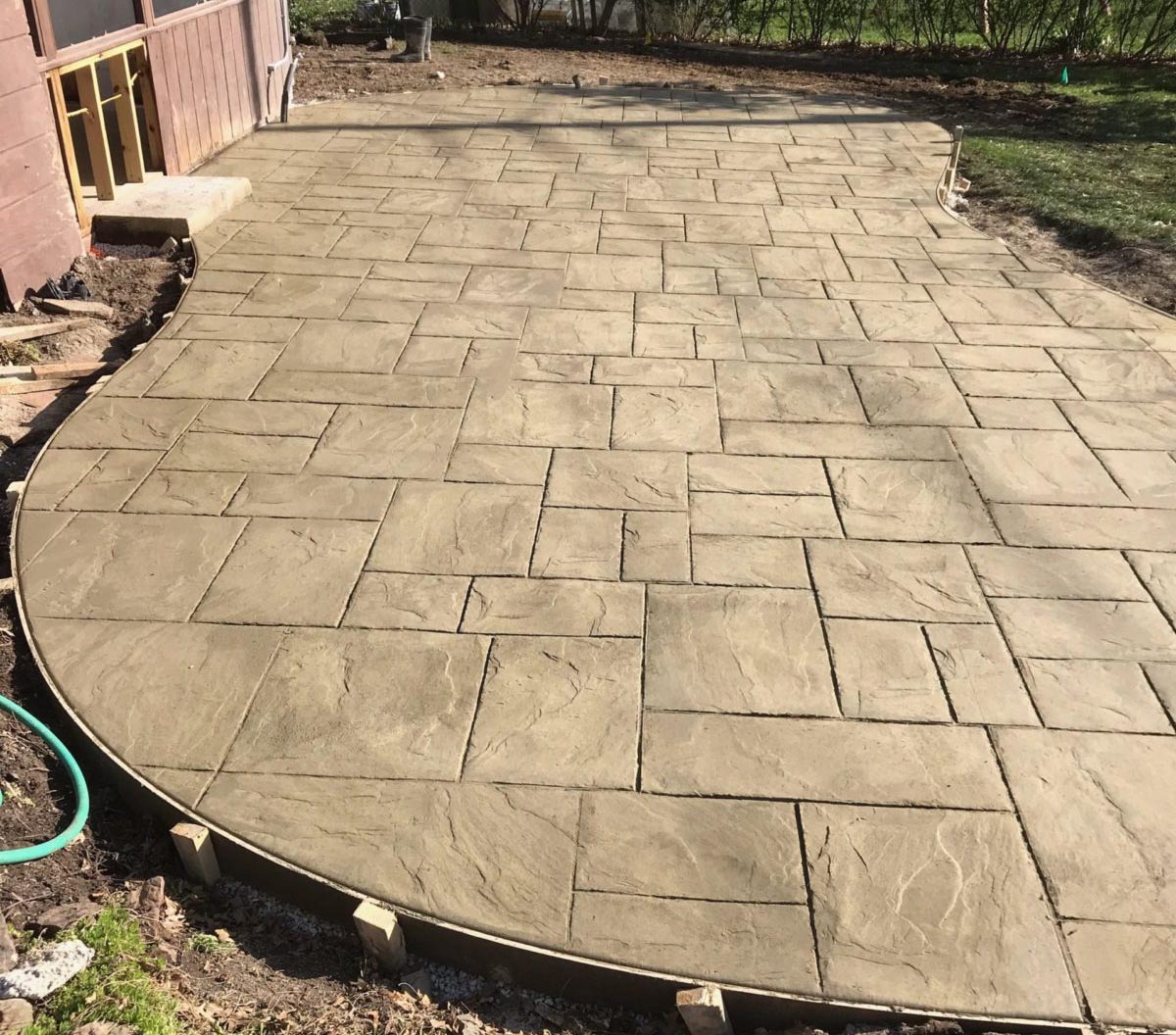
Stenciling and Staining: Use concrete stencils and stains to mimic tile, stone, or brick patterns. This decorative option adds elegance without a big budget.
-
Rubberized Coatings: Made from recycled rubber materials, these coatings offer comfort underfoot and are slip-resistant. Best for families with kids.
Each of these pool deck resurfacing DIY ideas comes with its own installation technique, durability rating, and visual effect. Choose based on your needs, experience, and aesthetic goals.
Step-by-Step Guide to DIY Pool Deck Resurfacing
No matter which resurfacing option you choose, the preparation and execution process is key to a lasting result. Here’s a general guide that applies to most DIY pool deck resurfacing methods:
-
Surface Preparation:
-
Power wash the deck to remove dirt, algae, and loose material.
-
Fill cracks with patching compound and smooth the surface.
-
Use a degreaser for oil stains, especially before using epoxy pool deck resurfacing kits.
-
-
Etching or Priming:
-
Depending on your coating, you may need to use an etching solution or primer for better adhesion.
-
-
Mix and Apply Your Product:
-
Follow the manufacturer’s instructions precisely. Use rollers, trowels, or sprayers depending on your selected material.
-
-
Curing and Sealing:
-
Allow adequate drying time, typically 24–72 hours.
-
Apply a topcoat or sealer if recommended to protect your new surface from UV rays and pool chemicals.
-
-
Clean-Up and Maintenance:
-
Clean tools immediately. Maintain your resurfaced deck by rinsing regularly and resealing every few years.
-
DIY resurfacing can take a weekend or longer, depending on the size of your deck and your chosen material.
Comparison Table: DIY Resurfacing Options Side-by-Side
Before committing to a project, compare your resurfacing options based on budget, ease, and durability. Think about the long-term maintenance needs, how each option holds up in your specific climate, and the availability of materials in your region. Consult online reviews or local contractors to gain insights from others who’ve tried these methods.
| Resurfacing Option | Cost Estimate | Skill Level | Aesthetic Appeal | Durability | Pros | Cons |
| Epoxy Pool Deck Resurfacing | $$ | Medium | High | Very High | Modern look, water-resistant | Needs proper prep, slippery when wet |
| Pebble Overlay | $$$ | Medium-High | Very High | High | Textured, luxurious, slip-resistant | Time-consuming to install |
| Concrete Overlay | $$ | Medium | Medium-High | Medium-High | Covers damage, customizable | Requires precise mixing and timing |
| Rubber Coating | $$ | Easy | Moderate | Medium | Soft, safe, UV resistant | Less traditional appearance |
| Stain + Stencil | $ | High | Very High | Medium | Artistic, budget-friendly | Less durable, prone to fading |
Choose your resurfacing method based on your deck’s condition, your goals, and your willingness to DIY.
Materials, Tools, and Budgeting Tips
To complete your DIY pool deck resurfacing, you’ll need more than just the resurfacing compound. Here’s a typical list of tools and materials:
- Pressure washer
- Concrete patching compound
- Roller or squeegee
- Trowel (for overlays or pebble kits)
- Etching/primer solution
- Safety gear (gloves, goggles, knee pads)
- Topcoat or sealer
Most DIYers spend anywhere from $1.50 to $5.00 per square foot, depending on the product type and whether you already own the tools. For example, epoxy pool deck resurfacing costs less if you already own a roller, but more if you need acid etching kits or anti-slip additives.
To save:
- Look for resurfacing kits with bundled tools.
- Rent specialty tools like pressure washers or mixers.
- Watch tutorial videos before starting.
- Start with a small section if you’re unsure.
Planning ahead and avoiding mistakes can help you stay under budget without compromising on quality.
Local Tips – DIY in South Georgia and North Florida
In humid regions like Tallahassee, FL, or towns like Cairo, Camilla, Moultrie, and Bainbridge, GA, pool decks are constantly exposed to moisture, UV rays, and algae growth. When considering DIY pool deck resurfacing, you’ll want materials suited to this climate.
- Choose UV-resistant and mildew-resistant coatings, especially for high-exposure areas.
- Sealers should be breathable to prevent moisture buildup.
- Drying time can be longer in humid conditions—consider fast-curing formulas.
Epoxy Georgia has years of experience servicing this region, and our professionals know which pool deck resurfacing DIY ideas hold up best. While DIY can be rewarding, sometimes a hybrid approach—where you do the prep and hire pros for the finish—may deliver the best value.
When in doubt, consult local experts to avoid costly do-overs or product incompatibility with your climate.
FAQs – Your Questions Answered
Q: Is DIY pool deck resurfacing worth it?
A: Yes—if you’re comfortable with hands-on work and follow product instructions carefully. It can save thousands compared to professional resurfacing. Many homeowners enjoy the creative control and flexibility it offers. It’s also a great way to learn new home improvement skills.
Q: Can I use epoxy on an older concrete pool deck?
A: Absolutely, as long as the surface is clean, dry, and properly prepped. Cracks should be patched before applying any epoxy. Older decks may require grinding or acid etching for better adhesion. Always follow the manufacturer’s recommendations closely.
Q: How long does a DIY resurfaced deck last?
A: With proper prep and sealing, epoxy or pebble finishes can last 5–10 years. Reseal every few years for best results. The longevity also depends on climate and usage. Regular maintenance helps extend the deck’s life significantly.
Q: Do I need to remove old paint before resurfacing?
A: Yes. Any peeling or flaking material must be removed to ensure good adhesion. Grinding or chemical strippers may be necessary. A clean base ensures your new finish lasts longer and looks better.
Q: Can I combine methods (e.g., stain + epoxy)?
A: In some cases, yes—but always check product compatibility. Mixing incompatible layers may cause peeling or bubbling. Hybrid techniques can look beautiful if done correctly and with quality materials.
Refresh Your Pool Deck with DIY Confidence
With a bit of planning and effort, DIY pool deck resurfacing can turn a faded, cracked deck into a beautiful, functional extension of your home. From epoxy pool deck resurfacing to pebble overlays and concrete overlays, there’s a solution for every aesthetic and budget.
While the process may feel daunting at first, the satisfaction of completing it yourself—and saving money in the process—makes it all worthwhile. Just remember: proper surface prep and following instructions are key to a lasting, professional-looking finish.
If you’re in North Florida or South Georgia, Epoxy Georgia can offer advice, materials, or even hybrid assistance. We proudly serve areas like Tallahassee, Camilla, Bainbridge, Cairo, and Moultrie with tailored solutions that stand up to the region’s heat and humidity.
Ready to bring life back to your poolside space? Whether you go full DIY or need a little help, we’ve got you covered.
Contact Epoxy Georgia today to explore your resurfacing options and bring your dream pool deck to life!