
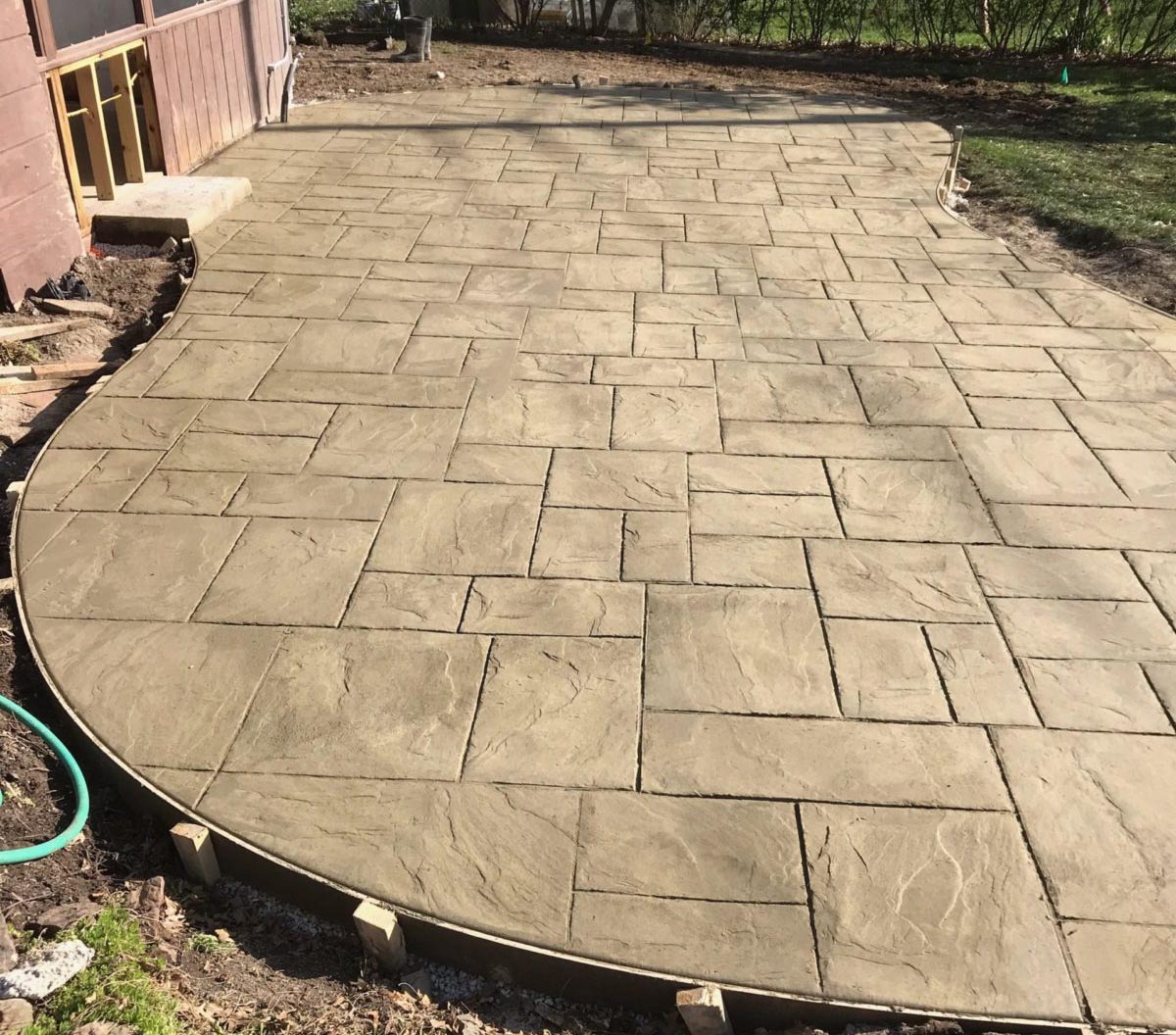
Why Concrete Pool Deck Resurfacing Matters
Over time, your pool deck endures weather, water, UV exposure, and heavy foot traffic. Cracks, fading, and surface damage not only impact the aesthetic of your outdoor space but also pose safety hazards. That’s why many homeowners explore concrete pool deck resurfacing to revive the look and function of their pool areas without the cost of full replacement.
Whether you’re trying to enhance curb appeal or increase the longevity of your pool deck, resurfacing is a smart solution. With today’s technology and materials, options like acrylic pool deck resurfacing, rubber pool deck resurfacing, and cement pool deck resurfacing provide versatile finishes that match every style and budget.
This guide dives deep into the top concrete pool deck resurfacing options, complete with step-by-step instructions, comparisons, and regional insights to help you make informed decisions. If you’re in North Florida or South Georgia, we’ll even offer tips tailored to your climate.
Understanding Your Resurfacing Options
There are many concrete pool deck resurfacing options available, each with its own benefits, installation process, and price point. Here’s a breakdown of the most popular resurfacing techniques:
- Stamped Concrete Pool Deck Resurfacing:
This decorative option mimics the look of stone, brick, or wood using patterns pressed into wet concrete. It offers a high-end look at a fraction of the price. - Acrylic Pool Deck Resurfacing:
Acrylic coatings are thin layers applied to the surface that offer UV resistance, slip resistance, and color customization. This is a popular choice in warm climates due to its cooling properties. - Rubber Pool Deck Resurfacing:
Made from recycled rubber, this material is soft, shock-absorbent, and ideal for families. It’s easy to install and safe for bare feet. - Cement Pool Deck Resurfacing:
A simple overlay of cement-based mix can smooth cracks and uneven textures, providing a clean, minimalist look that blends well with existing concrete. - Concrete Staining and Sealing:
If you want to preserve the texture but change the color, staining followed by sealing is a fast and cost-effective method. You can even combine this with stamped concrete.
Each method brings unique advantages, and your selection should be based on your budget, design goals, climate, and maintenance expectations.
Step-by-Step Guide to Resurfacing
The resurfacing process generally follows these steps:
- Clean and Prep:
- Power wash the surface to remove debris.
- Patch cracks and smooth uneven areas.
- Etch or grind for better adhesion, depending on the resurfacing method.
- Apply the Base Coat:
- For stamped or cement resurfacing, this is typically a concrete overlay.
- For rubber or acrylic coatings, a primer or bonding agent may be used.
- Decorate and Finish:
- Apply patterns (for stamped concrete).
- Add stains or tints.
- Roll or trowel your resurfacing material evenly.
- Seal and Cure:
- Let the surface cure for 24–72 hours.
- Apply a sealer to protect from water, UV rays, and chemicals.
With good weather and proper tools, most resurfacing projects can be completed in 2–4 days.
Comparison Table: Which Option Is Best for You?
When comparing concrete pool deck resurfacing options, it’s important to evaluate the unique benefits of each method based on your goals—whether it’s enhancing slip resistance, improving aesthetic appeal, or sticking to a strict budget. Below is a side-by-side breakdown to help you quickly assess the pros, cons, and ideal use cases for each resurfacing type. This table can serve as a helpful reference point as you plan your project and weigh durability, cost, and style considerations.?
| Option | Cost | Durability | Style | Slip-Resistance | Ideal For |
| Acrylic Pool Deck Resurfacing | Low-Mid | Medium | Sleek, modern | High | Hot climates |
| Rubber Pool Deck Resurfacing | Mid | Medium | Soft, family-safe | Very High | Kids, elderly, slip zones |
| Cement Pool Deck Resurfacing | Low | Medium | Basic, clean | Medium | Budget-friendly remodels |
| Stamped Concrete Pool Deck | Mid-High | High | Premium look | Medium-High | High-end curb appeal |
| Stained Concrete with Sealer | Low | Medium | Custom colors | Medium | Quick visual enhancement |
Use this chart to decide what aligns with your priorities. If comfort and safety are key, go rubber. If looks and resale value are top, go stamped.
Budgeting and Planning Tips
Concrete resurfacing is much cheaper than full replacement. On average:
-
Cement or acrylic resurfacing: $2–$4 per sq. ft.
-
Rubber resurfacing: $4–$7 per sq. ft.
-
Stamped overlays: $6–$10 per sq. ft.
To save:
- Buy resurfacing kits with bundled materials.
- Rent specialty tools like grinders or stamps.
- Start with a small area or test patch.
- Watch video tutorials or consult professionals if unsure.
You’ll also want to factor in sealing and resealing costs every few years to maintain the finish.
Before and After – Real Results
The transformation from cracked, stained concrete to a revitalized, modern deck is often dramatic. Just search concrete pool deck resurfacing before and after to see the difference a few days of work can make.
Stamped concrete can turn your backyard into a resort-style oasis, while acrylic coatings give a sleek, non-slip finish that feels cooler underfoot. Homeowners in hot, humid regions often choose rubber pool deck resurfacing for its comfort and mold-resistance.
If you’ve had issues with crumbling edges, pooling water, or chalky residue, resurfacing resolves both cosmetic and functional problems in one go.
Local Tips for North Florida and South Georgia
In warm, humid regions like Tallahassee, FL, Bainbridge, GA, or Camilla, concrete surfaces face accelerated wear. You’ll want:
- UV-resistant and breathable sealers
- Anti-mildew additives
- Slip-resistant textures
Professionals at Epoxy Georgia understand the regional climate and offer tailored solutions. Whether you choose DIY or hire out the job, we’re happy to guide your project to ensure longevity.
FAQ: Concrete Pool Deck Resurfacing
Q1: How long does concrete pool deck resurfacing last?
Most resurfaced decks last 10–15 years with proper maintenance, sealing, and cleaning. With periodic sealing and upkeep, you can extend the life of your deck even further. It’s essential to follow product-specific guidelines for maximum durability. Routine inspections also help catch early signs of wear.
Q2: Can I resurface my pool deck myself?
Yes. DIY resurfacing is possible with kits and video tutorials, but professional help ensures a flawless, long-lasting finish. Make sure to research the appropriate materials and techniques for your climate. Proper preparation is key to achieving strong adhesion. Always wear safety gear when handling resurfacing materials.
Q3: Will resurfacing fix cracks and stains?
Absolutely. Most resurfacing options fill small cracks and cover stains, improving both appearance and safety. Deep cracks may need additional prep or filler. Some stains may require pre-treatment before application. The final result often looks like a brand-new installation.
Q4: Is rubber resurfacing good for rainy areas?
Yes. Rubber coatings offer superior slip resistance and drainage, making them ideal for wet and humid climates. They also stay cooler underfoot in hot weather. The surface texture reduces pooling and enhances safety. Maintenance is minimal, adding to long-term value.
Q5: How soon can I use the pool after resurfacing?
Wait 2–4 days for curing and sealing before using the pool deck, depending on weather conditions and material type. Cooler weather may extend curing time. Always check the manufacturer’s instructions. Full hardness may take up to a week.
Ready to Resurface?
By now, you’ve seen that concrete pool deck resurfacing offers a powerful blend of affordability, aesthetics, and safety. Whether you’re leaning toward a sleek acrylic finish, a safe and soft rubber coating, or a decorative stamped concrete overlay, there’s a resurfacing solution tailored to your pool deck’s condition and your design preferences.
Choosing the right resurfacing method also depends on where you live. For those in North Florida and South Georgia, weather-resilient materials like UV-resistant sealers or slip-resistant coatings are more than just a luxury—they’re a necessity.
And you don’t have to go it alone. At Epoxy Georgia, we’ve helped countless homeowners upgrade their concrete pool decks with results that last. We know the ins and outs of what works in our unique climate, and we’re happy to provide professional guidance or full-service installations based on your needs and budget.
Don’t wait until cracks widen or your deck becomes a safety concern.
Contact Epoxy Georgia today for expert help in Tallahassee, Bainbridge, Camilla, and beyond. Let’s resurface your pool deck the right way—beautifully, affordably, and durably.